The 25 Lowest Glycemic Load Indian Dishes
Which Indian dishes raise blood sugar least per serving, from NutriOptio's data on hundreds of dishes.
Indian food is often described as carb-heavy, but the glycemic load of individual dishes varies widely. These are the 25 Indian dishes with at least 15 g of carbohydrate per serving and the lowest glycemic load, from NutriOptio's dish data.
The list
Glycemic load (GL) is per typical serving: 10 or under is low, 20 or over is high. Each dish links to its full page with nutrition, Nutri-Score and similar dishes.
| Dish | GL / serving | GI (est.) | kcal / serving | Nutri-Score |
|---|---|---|---|---|
| Dondakaya Fry | 2 | 20 | 150 | A |
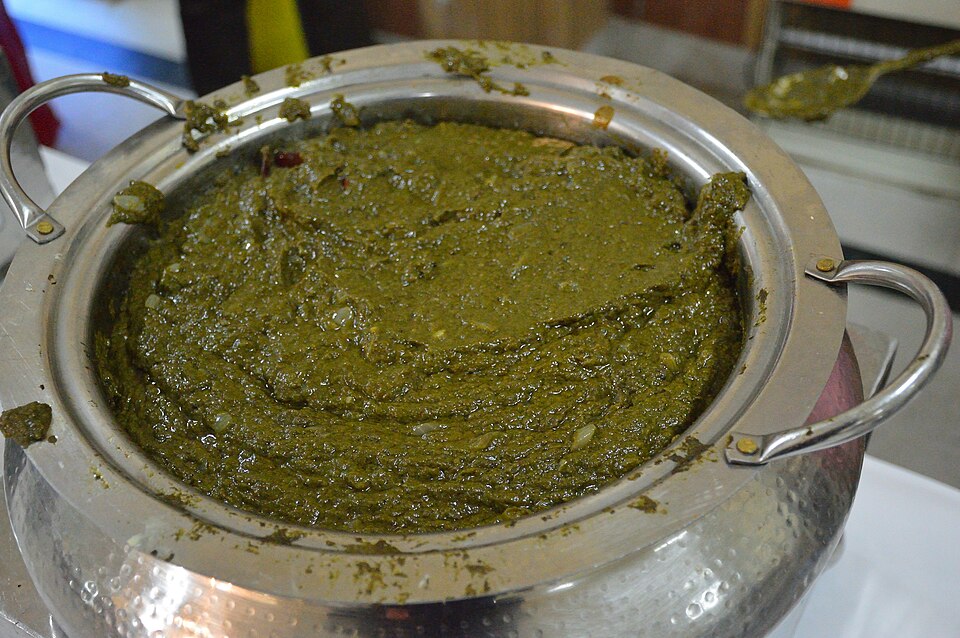
| Sarson Ka Saag | 2 | 15 | 180 | B |
| Gutti Vankaya | 3 | 28 | 150 | A |
| Olan | 3 | 22 | 180 | B |
| Palak Paneer | 3 | 28 | 300 | B |
| Pork Vindaloo | 3 | 25 | 350 | A |
| Tawa Paneer | 3 | 28 | 350 | C |
| Yakhni | 3 | 18 | 300 | B |
| Chicken Do Pyaza | 4 | 32 | 350 | A |
| Kaalan | 4 | 25 | 120 | B |
| Kadhi | 4 | 30 | 150 | B |
| Ker Sangri | 4 | 18 | 250 | A |
| Matar Mushroom | 4 | 28 | 150 | A |
| Matar Paneer | 4 | 30 | 300 | B |
| Aviyal | 5 | 35 | 150 | B |
| Chicken Korma | 5 | 35 | 350 | B |
| Chicken Tikka Masala | 5 | 35 | 350 | B |
| Gujarati Kadhi | 5 | 25 | 150 | C |
| Kootu | 5 | 32 | 150 | A |
| Korma | 5 | 35 | 350 | B |
| Mix Veg Curry | 5 | 35 | 150 | A |
| Shahi Paneer | 5 | 30 | 350 | D |
| Veg Makhani | 5 | 32 | 350 | D |
| Butter Chicken | 6 | 35 | 450 | C |
| Chilli Chicken | 6 | 35 | 320 | B |
What stands out
- Lowest glycemic load: Dondakaya Fry at 2 per serving.
- Median across this list: 4.
- 25 of the 25 dishes are low GL (10 or under).
How these numbers were made
These are the values the NutriOptio app gave for a typical recipe of each dish in October 2026. Each dish was checked twice and listed only if both answers agreed. Glycemic index for a dish is an estimate from its carbohydrate ingredients; glycemic load is computed from it and the serving's carbohydrate. Home and restaurant versions vary, sometimes a lot, and portion size changes glycemic load directly. This is general information, not medical advice.
To see the glycemic load of your own plate rather than a typical one, log it in NutriOptio.