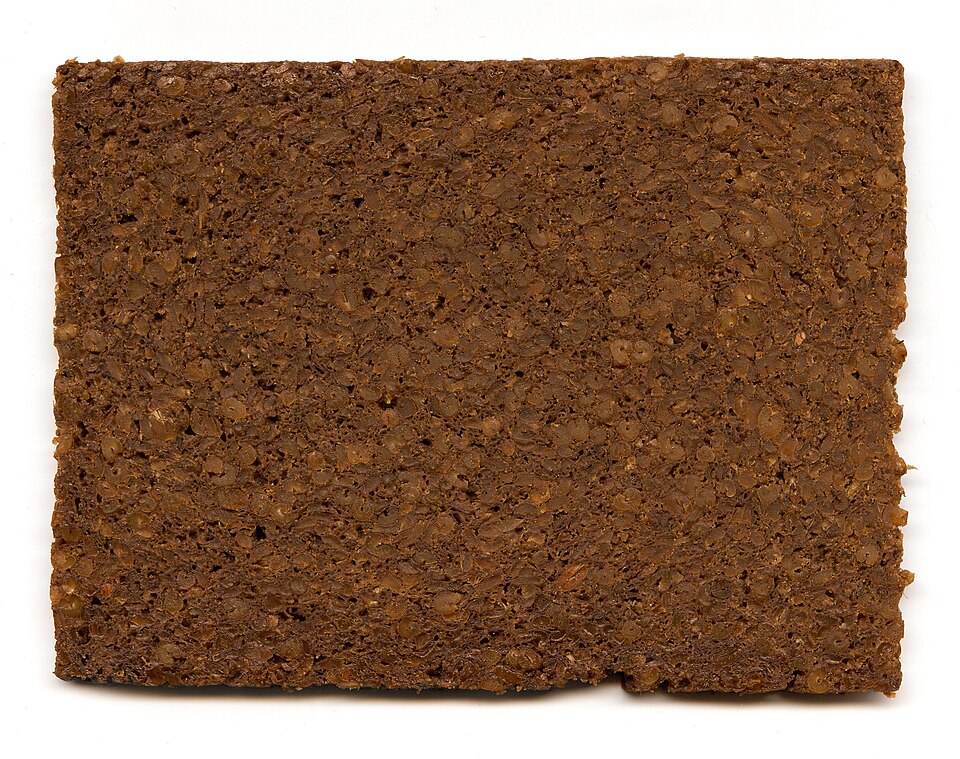
Common questions about pumpernickel bread
Is pumpernickel bread low glycemic?
Pumpernickel Bread has a glycemic index of 50, which is low (low is 55 or under, high is 70 or over). The glycemic load of a 1 slice, regular (26 g) serving is 5, which is low.
Is pumpernickel bread good for people managing blood sugar?
Glycemic load is the better guide, because it accounts for portion size. A serving of pumpernickel bread has a glycemic load of 5 (low). Eating it with protein, fat or fiber slows absorption further. This is general information, not medical advice; people with diabetes should follow their clinician's guidance.
How many calories are in pumpernickel bread?
Pumpernickel Bread has 250 calories per 100 g, and about 65 calories in a 1 slice, regular (26 g) serving.
See the glycemic load of your whole meal
Photograph your plate, scan a barcode or say what you ate. NutriOptio grades every food for glycemic load, Nutri-Score and processing, weighted to your goal.
Open the free web app
Sources and method
Glycemic index: NutriOptio's reference table, compiled from the University of Sydney GI database and the international tables of glycemic index and glycemic load; the range reflects variation across studies, ripeness and preparation. Nutrition: USDA FoodData Central, SR Legacy, “Bread, pumpernickel” (FDC 174918). Glycemic load = GI × available carbohydrate (carbohydrate minus fiber) per serving ÷ 100. Nutri-Score computed with the 2017 general-food algorithm.
General information, not medical advice.
Glycemic load explainedGlycemic index guideNutri-ScoreNOVAAll foods